
2024-07-15
Arabic-First Is Not a Dub Layer: Building Content for MENA From Scene One
Cultural authenticity cannot be retrofitted after the storyboard. Arabic-first production starts before the first script exists.
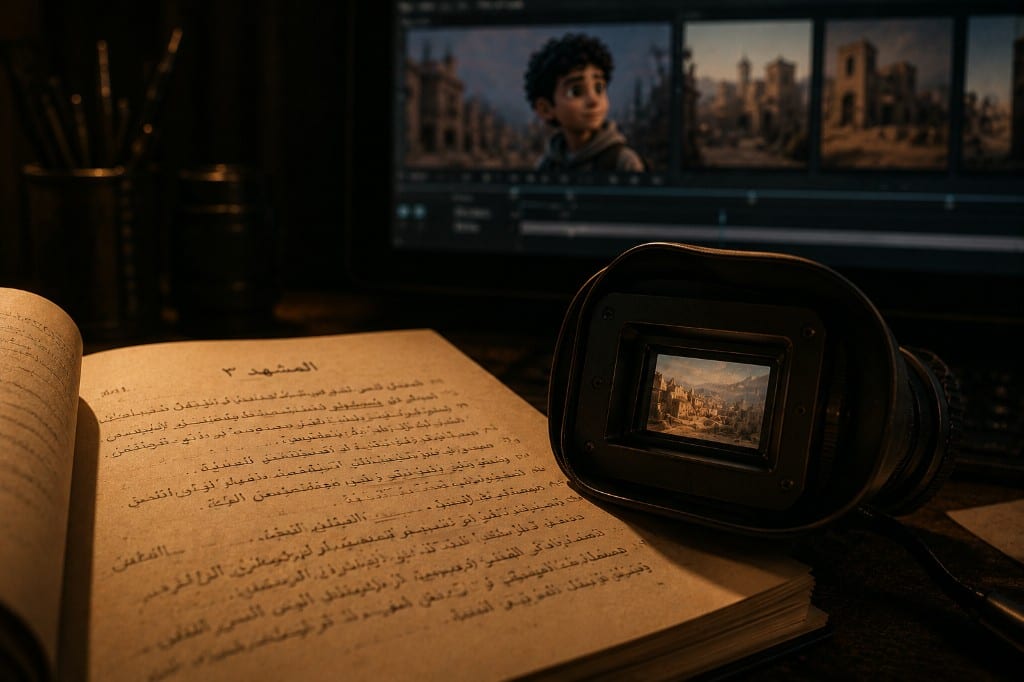
A familiar production mistake starts with good intentions: make the global content, then Arabic-ify it. Add subtitles. Swap the voice-over. Change the talent. Adjust the pack shot. Hope the emotional logic still works.
Sometimes it performs well enough to justify the shortcut. But "well enough" is not the same as culturally native. Arabic-first is not a language layer. It is a production philosophy that shapes pacing, metaphor, humor, casting, framing, and even color before the script is locked.
The writing room matters
Native Arabic writers need to be in the room before any script exists in any language. Not after the English line has been approved. Not after the storyboard is too expensive to change. From scene one.
The reason is practical. Dialect changes timing. Humor changes framing. Gulf restraint is not the same as Levantine warmth or Egyptian punch. A translated line can be correct and still arrive half a beat late. A visual metaphor can be clear and still feel imported.
Native content travels differently
In tests, native concepts often outperform translated versions not because audiences reject global craft, but because they recognize when the work was built with their social world in mind. The rhythm feels less explained. The joke lands without subtitles doing all the labor. The silence has meaning.
Arabic-first production is not slower. Rework is slower. Retrofits are slower. Starting from the market you actually want to move is usually the fastest path to work that feels like it belongs there.